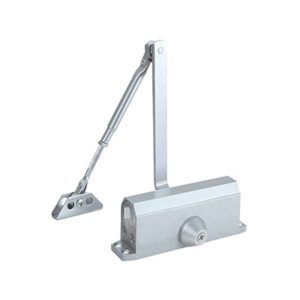
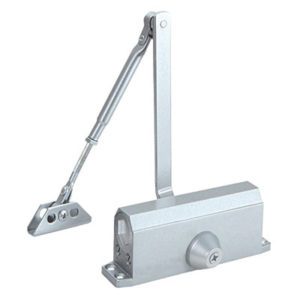
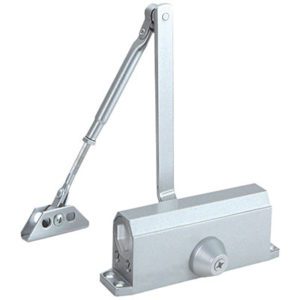
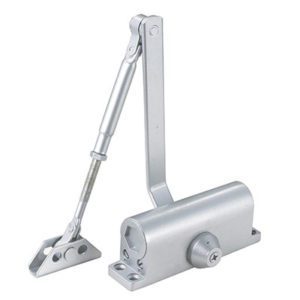
A door closer is a vital component of building infrastructure that ensures controlled and convenient door operation. By regulating the closing speed and ensuring proper closure, door closers contribute to safety, security, and energy efficiency. In this article, we will explore the features and benefits of door closers, highlighting their importance in various settings.
The primary function of a door closer is to provide controlled closing of doors. It prevents doors from slamming shut, which can cause injuries or damage. The door closer mechanism regulates the speed at which the door closes, ensuring a smooth and controlled movement. This controlled closing is particularly crucial in high-traffic areas, where the risk of accidents is higher.
Door closers enhance safety by ensuring that doors are closed securely after each use. This prevents unauthorized access, reduces the risk of intrusions, and maintains privacy. Moreover, in the event of a fire or emergency, closed doors can act as a barrier, helping to contain the spread of smoke and flames. Door closers also play a significant role in creating accessible environments, allowing individuals with mobility challenges to navigate through doors with ease.
Door closers contribute to energy efficiency by minimizing air leakage and heat transfer. When doors are properly closed, they create an effective seal, reducing drafts and preventing the loss of conditioned air. This helps maintain indoor temperature control, reduces the workload on HVAC systems, and ultimately lowers energy consumption and costs. Door closers are particularly beneficial in commercial buildings, where energy efficiency is a key consideration.
Door closers are designed to withstand continuous use and adverse conditions. They are constructed from durable materials, such as high-grade metals, to ensure long-term reliability. Door closers undergo rigorous testing to meet industry standards for performance, durability, and safety. This ensures that they can withstand the demands of heavy foot traffic and provide consistent functionality over an extended period.
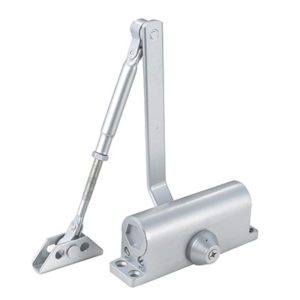
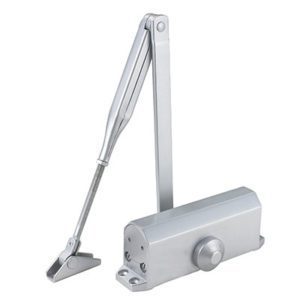
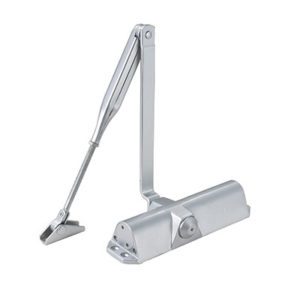
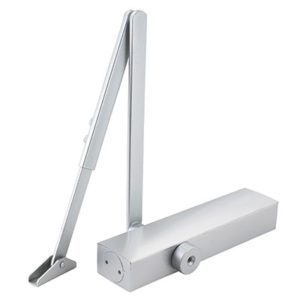
Door closers come in various types and models to accommodate different door sizes, weights, and usage requirements. They can be installed on a wide range of door types, including wooden doors, glass doors, metal doors, and fire-rated doors. Door closers can also be adjusted to suit specific closing speeds and latching strengths, providing flexibility for different applications and user preferences.
Door closers play a significant role in ensuring compliance with the Americans with Disabilities Act (ADA) regulations. ADA-compliant door closers enable smooth and easy door operation for individuals with disabilities. They have adjustable closing forces to accommodate individuals with limited strength or mobility, allowing them to open and close doors without excessive effort.
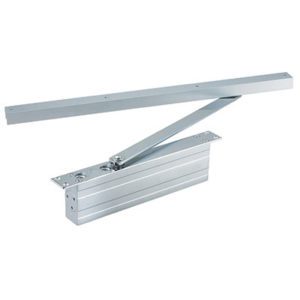
Door closers are available in various designs and finishes, allowing them to blend seamlessly with different architectural styles. They can be concealed within the door frame or surface-mounted, offering aesthetic options to suit the overall design scheme. Door closers can enhance the visual appeal of doors and contribute to a cohesive and polished look.
Showing all 9 results

© 2022 Smart IT | Design by Divisions Lab.