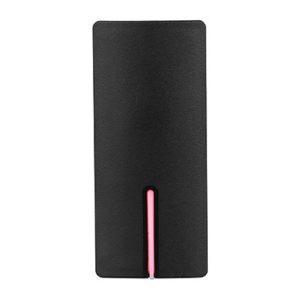
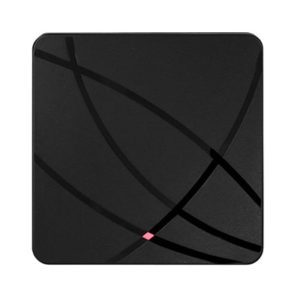
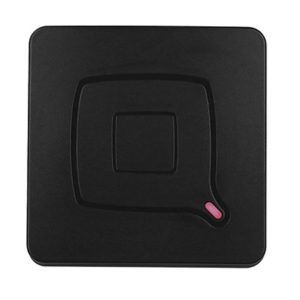
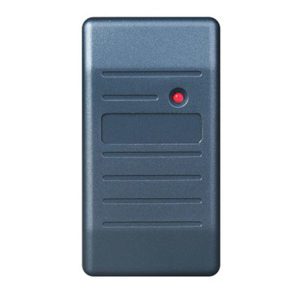
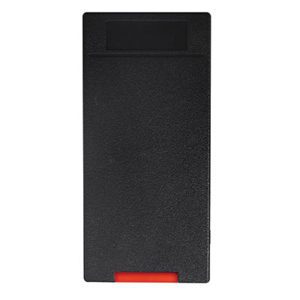
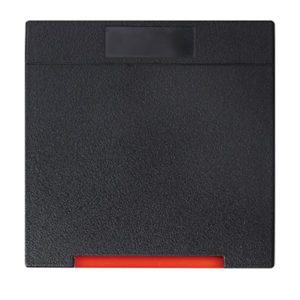
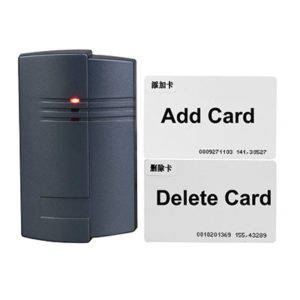
The Card Reader is a versatile and reliable access control device that provides secure and convenient entry to restricted areas. With its advanced technology and user-friendly design, the Card Reader offers a seamless and efficient means of controlling access based on authorized credentials. In this article, we will explore the features and benefits of the Card Reader, highlighting its role in enhancing security and access control.
The Card Reader functions by reading and verifying the credentials stored on access control cards or key fobs. These credentials can be in the form of magnetic stripes, proximity cards, or smart cards containing embedded chips. When a user presents their card to the reader, it quickly and accurately reads the encoded data and validates it against the authorized user database. This process ensures that only individuals with valid credentials can gain entry, significantly enhancing security and preventing unauthorized access.
The Card Reader offers a convenient and efficient access control solution, eliminating the need for traditional lock and key systems. Authorized individuals can simply present their access card or key fob to the reader, eliminating the hassle of searching for keys or remembering complex codes. The quick verification process allows for swift entry, ensuring smooth traffic flow and minimizing congestion at access points. This convenience and efficiency make the Card Reader an ideal choice for high-traffic areas or facilities with a large number of authorized personnel.
The Card Reader seamlessly integrates with various access control systems, making it compatible with a wide range of security setups. It can be connected to centralized control panels, security software, or networked systems, allowing for comprehensive access management and monitoring. The integration enables administrators to manage access permissions, track entry and exit times, and generate detailed reports for enhanced security and audit purposes.
The Card Reader supports multiple card encoding options, providing flexibility in managing access credentials. It can be configured to work with different card technologies, such as magnetic stripe encoding, proximity card technology, or advanced smart card technology. This flexibility allows organizations to choose the most suitable card encoding method based on their security requirements, budget, and future scalability needs.
The Card Reader is designed with user convenience in mind. It features intuitive interfaces and indicators to guide users through the access process. Visual and audible cues provide feedback on successful card read or any access errors. The reader may also include additional features such as a keypad for entering PIN codes or a biometric sensor for fingerprint verification, further enhancing security and access control capabilities.
The Card Reader incorporates various security features to prevent unauthorized access attempts and ensure data integrity. These features may include encryption protocols, tamper detection mechanisms, and anti-tampering safeguards to protect the reader from physical or electronic tampering. These security measures enhance the overall robustness of the access control system and safeguard against potential threats.
Showing all 7 results

© 2022 Smart IT | Design by Divisions Lab.